
This summer, I am co-facilitating a Book Club on the book, One Without The Other. As I shared in this Instagram post, my position for next year has me especially interested in UDL (Universal Design For Learning).

Connecting UDL and Self-Reg
Recently, I was out for lunch with a friend and fellow educator, and we were talking about Shelley Moore’s work as well as her book. I love how we often listen to Moore’s Five Moore Minutes videos when discussing UDL in staff meetings. Through my lunchtime conversation though, I started to wonder if we’re missing out on what comes next.
Moving From Provocation to Application
The videos are the provocation, but what about the application? For those that are not embracing UDL yet, could there be some stressors at play?
What Might The Stressors Be And What Can We Do?
I’ve been an advocate of UDL for a long time now, and I’ve been fortunate to work with many educators who embrace this practice too. When I taught kindergarten with Paula Crockett, we often discussed the barriers and explored ways for all students to have choice and voice while meeting with success.
We are both educators though that are okay with giving students independence and supporting student advocacy. It’s in the messiness of learning that we thrive.
But what about educators who are stressed by a lack of control?
Cognitive stressors can emerge when you do not always know what students will choose and how to push them further. There is often a concern about everyone “choosing the easy option.”
Sometimes, opening up these options helps us see a different side of students. We learn more about their interests, grit, and problem-solving skills.
We can still gently nudge them towards something different and/or something more, knowing what we know about them as learners. I wonder if selecting just a few choices at first, might allow for multiple entry points while still giving educators a bit of control if this is what they need to feel calm.
Rethinking the Classroom Environment
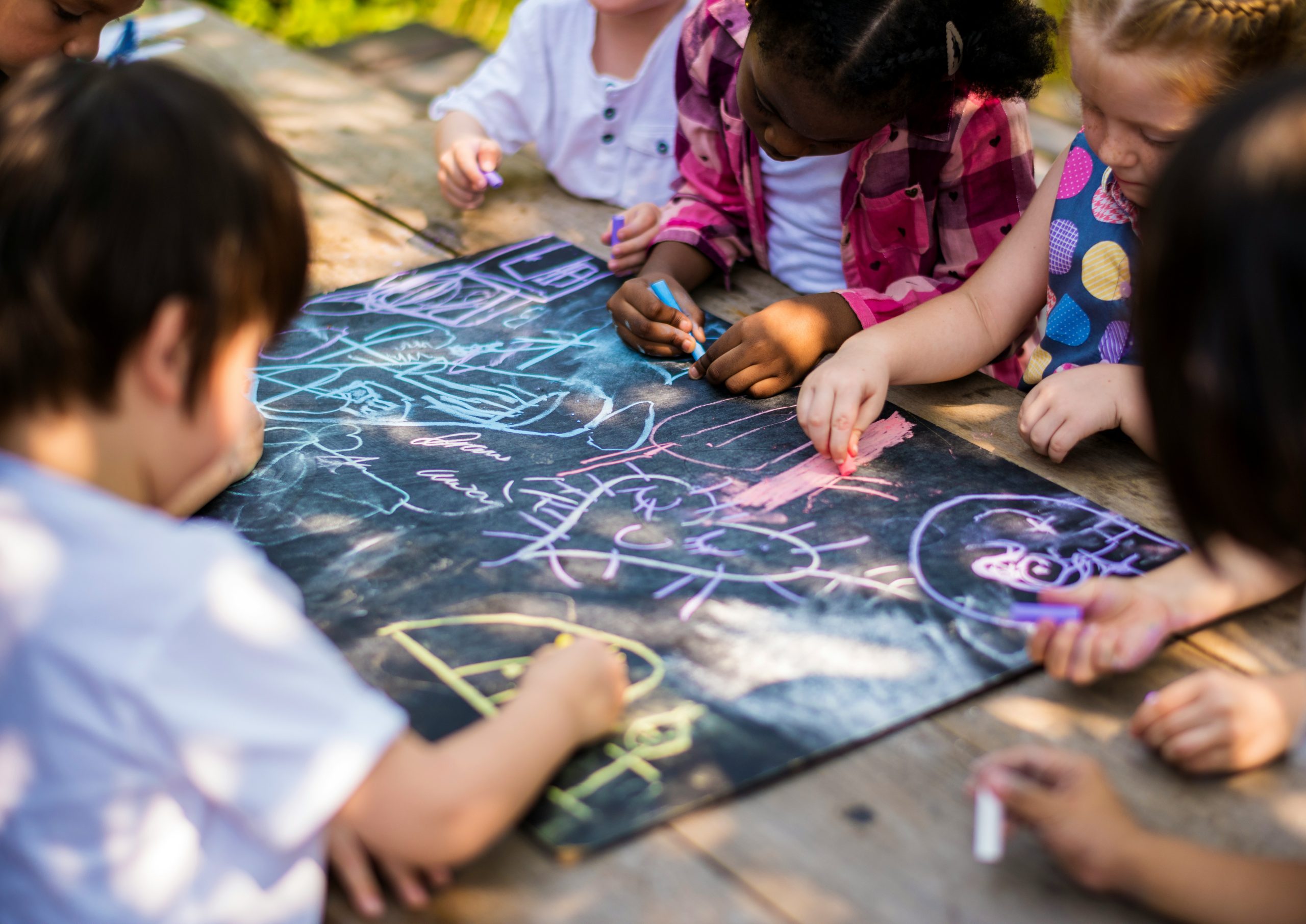
What about changes to the classroom environment? Often with UDL, there are different options available to all students, which might include different seating arrangements, material choices, and classroom design.
The environment as the third teacher is something I think about often, especially because it was discussed regularly when I taught kindergarten.
I know that there can be some biological stressors at play, especially when we think about messiness. Maybe though, having empty shelves for saving projects and different nooks around the room, will remove some of the mess and create a calmer space instead.
Supporting Social Problem Solving
What about students who struggle with social interactions? Will educators need to constantly support problem solving? Where’s the learning in this?
Group projects can certainly be stressful for both students and teachers. With UDL, however, I also see opportunities for different-sized groups. Students could also self-select some materials, which might have them joining with different peers who have similar interests.
Students who might not always be the leaders when it comes to reading and writing, might excel when it comes to artistically expressing themselves, for instance. This might change the student interactions and lessen problems in the classroom.
Creating Opportunities for Connection and Empathy
Giving students more control over their learning might also free educators to immerse themselves in groups. This creates opportunities to model problem solving instead of simply responding to problems as they happen.
Too often, learning is viewed primarily from an academic standpoint. I also see Learning Skills and even Strand A expectations in this kind of learning. There are also some great opportunities here for empathy and the pro-social domain.
Can More Choice Reduce Emotional Stress?
What about those students who always melt down? Will they be able to make their own choices and solve their own problems? I can see the stressors in the emotion domain, but I wonder if more choice will lessen stress. Also, if all students are able to self-select their materials and some of their project options, I think they will be more engaged in the learning.
This gives a great opportunity for educators to immerse themselves as part of this learning and reduce some student stress before it happens. If we can watch kids more closely, maybe we can also be proactive in co-regulating them if needed.
What Next?
Tomorrow, I start my camp position for the summer. As part of our PD, I am co-facilitating a session on UDL.
Bringing Self-Reg and UDL Into Practice
We are going to start with Shelley Moore. Then, educators will work through a scenario where they identify barriers and consider how UDL can remove them.
I’m wondering if brainstorming options in advance might help with upcoming planning and the implementation of lessons. As both camp and the Book Club begin, I wonder, how might we move beyond the Five Moore Minute videos and create the environment(s) that every child needs to succeed? Maybe this starts with some thinking around Self-Reg.
Continue the Self-Reg Learning:
Self-Reg Foundations Certificate Program


