
Co-regulation is the process by which one nervous system supports and connects with another through presence, tone, relationship, and shared regulation.
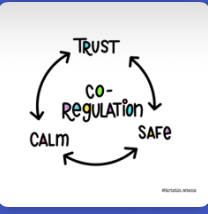
Co-regulation is the process through which nervous systems support and influence one another through relationship, presence, tone, and shared regulation. It is not simply a technique for helping someone “calm down,” nor is it a gentler route to compliance. Through the Interbrain, cues of safety can help reduce stress and support a shift toward a more regulated state. But the process is reciprocal: stress can also beget stress, creating co-escalation. The Self-Reg shift is to recognize that regulation is relational and that our own state matters. Co-regulation sits at the heart of Self-Reg because relationships can change stress, energy, and the capacity for regulation itself.
When someone is highly stressed, our instinct may be to explain, correct, persuade, or tell them to calm down. But our own pace, voice, facial expression, posture, and state may be communicating more than our words.
A slower voice, patient presence, genuine warmth, or simply staying with someone through a difficult moment can change the signals their nervous system is receiving. The reverse is equally important: stress can beget stress, and two people can escalate one another quickly.
Sometimes the most useful thing we bring to a difficult interaction is not the perfect strategy. It is a nervous system that isn't adding more stress.
Regulation is relational; the state we bring into an interaction can change what becomes possible.
Hear Stuart explain how stress can spread between us, and why our own state matters in co-regulation.
Explore the science and practice of how brain-body states influence and support one another. PLS = Professional Learning Series
Develop a deeper understanding of co-regulation, the Interbrain, stress, and relationships.